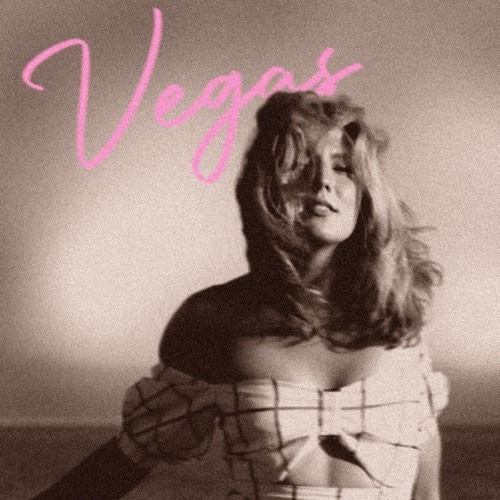
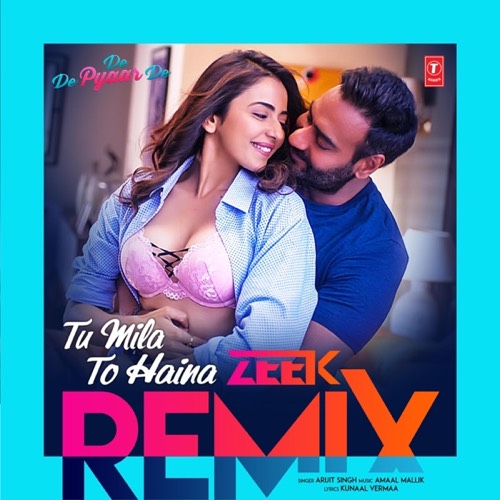
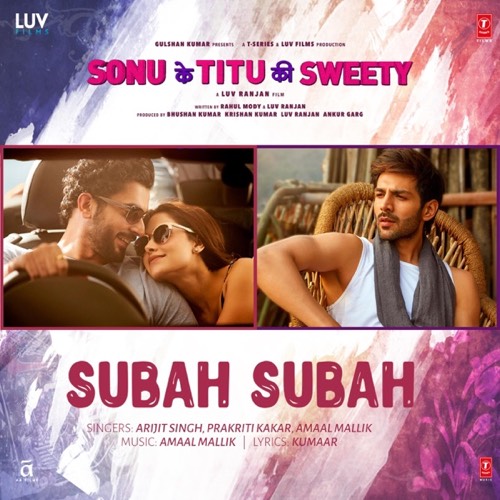
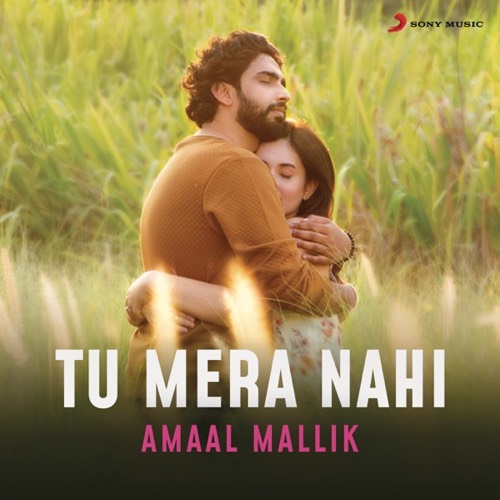
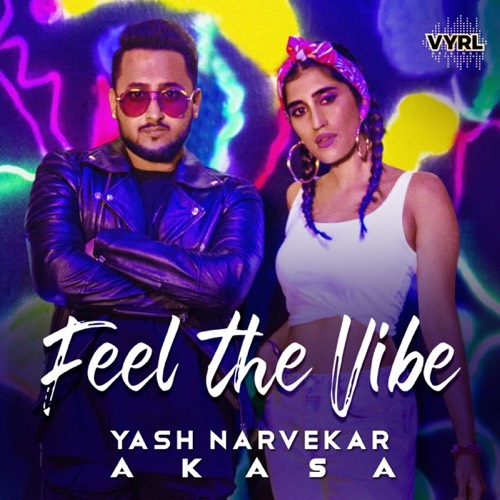
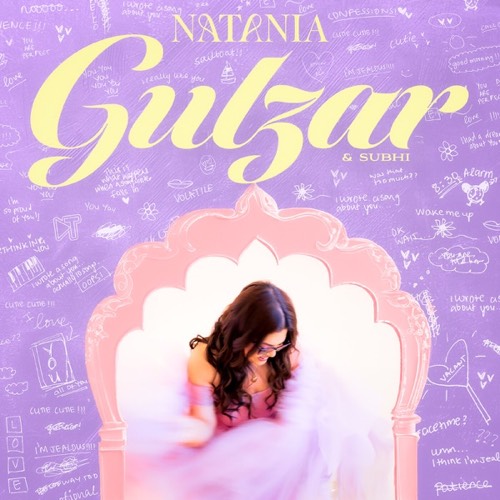
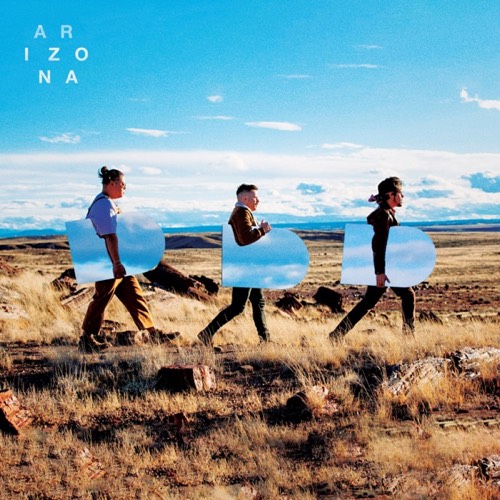
Records that work everywhere. A stadium, a theater, and a pair of AirPods.
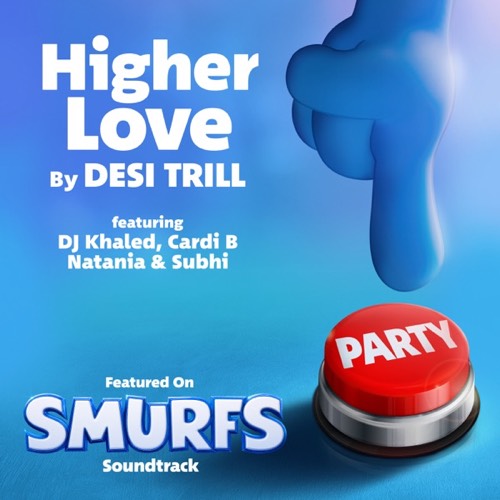
Fig. 01
§01 — Selected work
Public
& checkable
§02 — The lane
Most producers pick one. I came up making Indian pop — Arijit Singh, Armaan Malik, Pritam, T-Series — and ended up co-producing a World Cup halftime show and two cuts on a Paramount soundtrack.
Sitar and tabla sit in the same session as an 808. That crossover isn’t a gimmick I picked up — it’s the room I actually grew up in, and it’s why my records travel.
§03 — Hire
Rate card
2026
I know what a record has to survive to get released — A&R notes, music supervisors, mastering, broadcast. So I don’t hand back a cool-sounding mix. I hand back a finished, deliverable record.
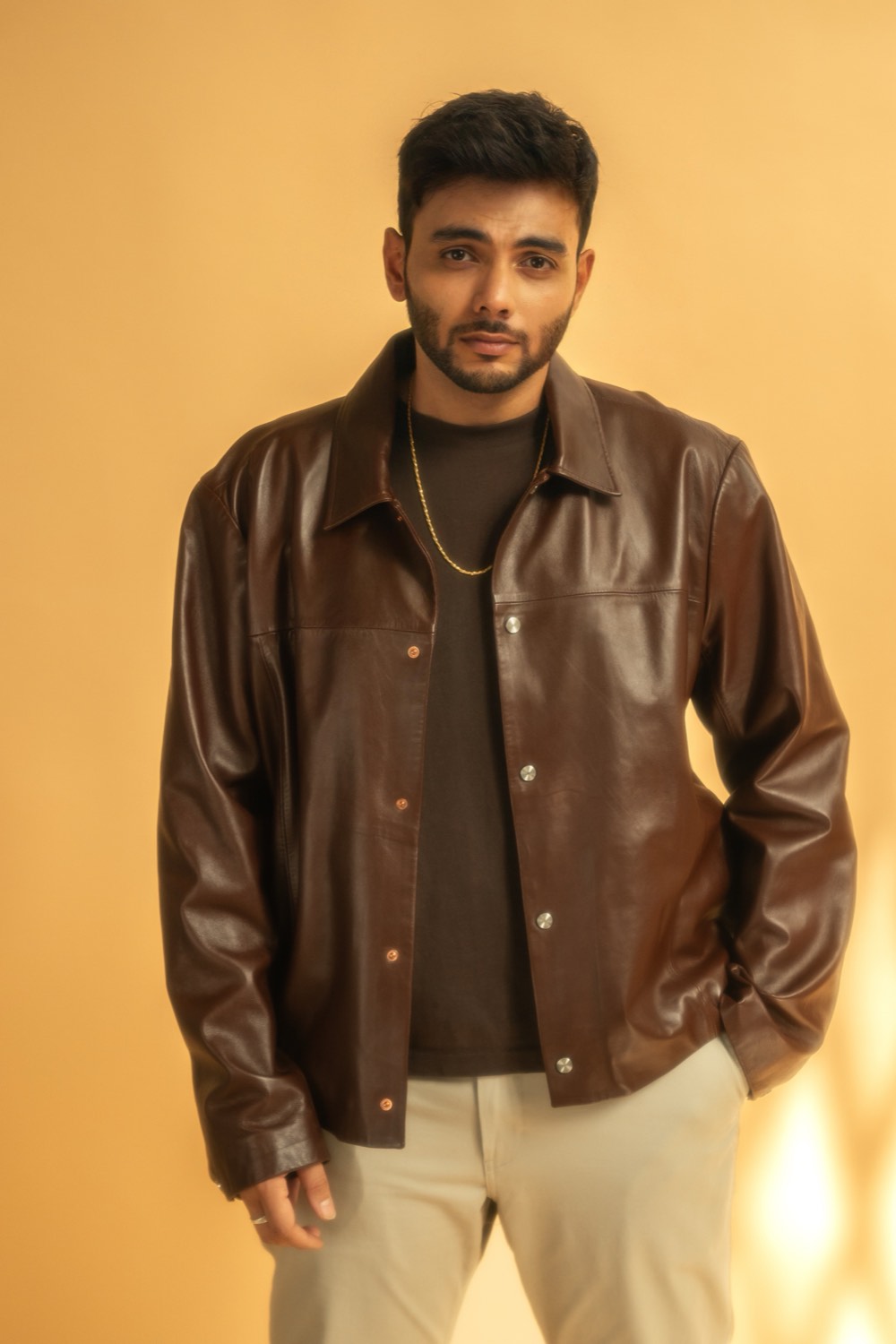
Fig. 04 — Studio portrait
Booking
Payment sits in escrow and is only released when the work is done. You’re protected, and so am I.
§04 — The tool
Shipping
Vol. 01
After an hour inside a chain you are certain it sounds better — because you remember making it better. And louder always reads as better, so any comparison that isn’t level-matched is worthless.
Blind A/B removes both biases. Two versions, loudness-matched and time-aligned, and you are never told which is which. You commit to a preference. Only then does it reveal what you actually picked — and keep score.
I built it because I needed it. It’s the same standard I hold a mix to, in a tool you can buy.
No visual tells. No audible click on switch. No filenames until the reveal. Which side is which is decided by a coin flip, every session. If a comparison can be gamed, it’s worthless — so none of this is optional.
The plugin. A version that compares a chain against its own bypass, live in the DAW — no bouncing, no routing. It’s being built now and it isn’t finished, so I’m not selling it yet.
Tell me when →§05 — Contact
Open for
2026
Send the best version of the song you have, not the busiest one — plus two or three references. Three records you want to stand next to tells me more in thirty seconds than a paragraph does.